6 Signs Your Home Needs New Siding Now
Home Improvement, Siding Replacement
6 Signs Your Home Needs New Siding This Year
Your siding is more than “the outside of the house.” It’s your home’s armor against Western New York’s snow, rain, wind, and wild temperature swings. When that armor starts to fail, water sneaks in, energy bills creep up, and repairs get expensive fast. Here are six clear warning signs it’s time to talk to Lewis Contracting LLC about new siding before small problems turn into big headaches.
1. Cracked or Warped Panels
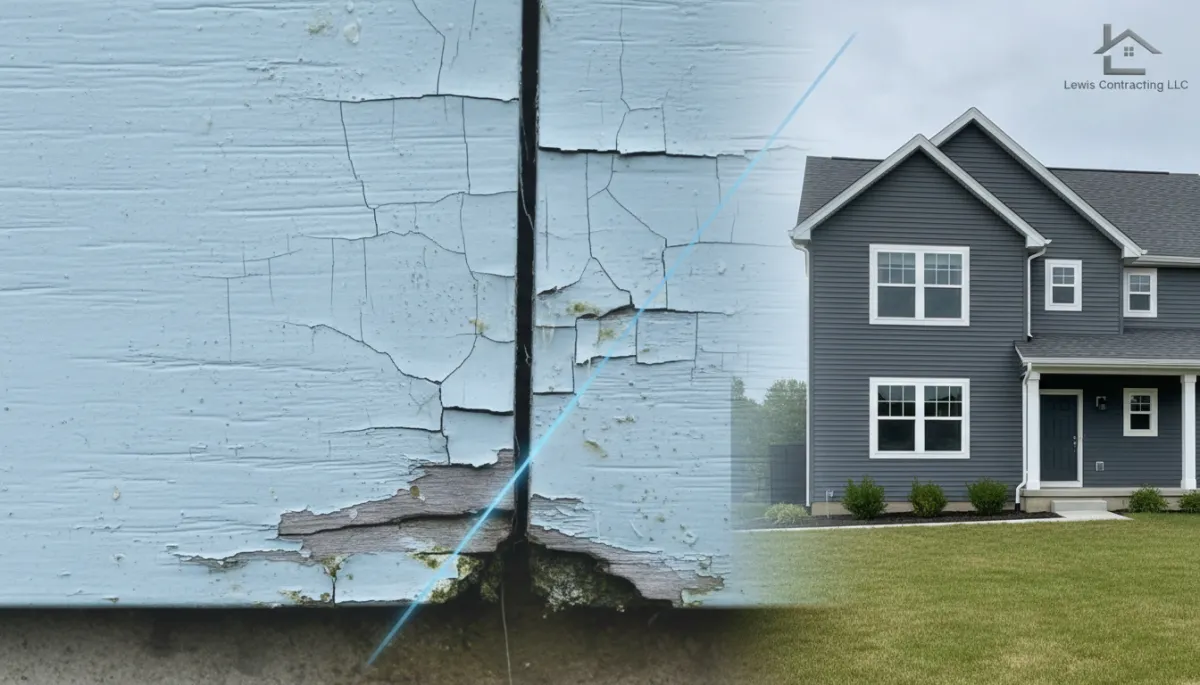
Take a slow walk around your house. Do you see cracks, chips, or pieces of siding that look bent or wavy? In Western New York, freeze-thaw cycles are rough on siding. Water gets into tiny gaps, freezes, expands, and slowly pushes panels out of shape. Over time, vinyl can warp and become brittle, and wood can split. Cracked or warped panels are more than ugly—they open the door for water to get behind your siding and into your walls.
2. Fading or Chalky Surfaces
Run your hand along the siding. If you pull back a dusty, chalky film, that’s a sign the finish is breaking down. Years of sun, snow, and lake effect moisture wear away the protective layer on vinyl and painted siding. Heavy fading and chalking don’t just hurt curb appeal. They often mean the material is getting weaker and more likely to crack, leak, or fail in the next big storm. When color is badly faded across whole walls, it’s usually time to think about full siding replacement, not just touch-ups.
3. Visible Rot or Mold
If you see soft, crumbly wood, dark spots, or green and black streaks, pay attention. Rot and mold mean moisture has been hanging around way too long. Western New York’s damp fall weather and long, snowy winters give mold the perfect playground. Once rot starts in wood siding or trim, it can spread into the sheathing behind it. That’s when repairs get serious—and expensive.
4. Gaps Where Panels Pulled Away
Look at corners, around windows, and along the bottom edges. Do you see panels that have pulled away from the wall or from each other? Strong winds, ice damming on the roof, and years of expansion and contraction can loosen nails and fasteners. Those gaps are like open windows for wind-driven rain and snow. Once water gets behind the siding, it can run down inside the wall where you can’t see it—until damage shows up inside your home.
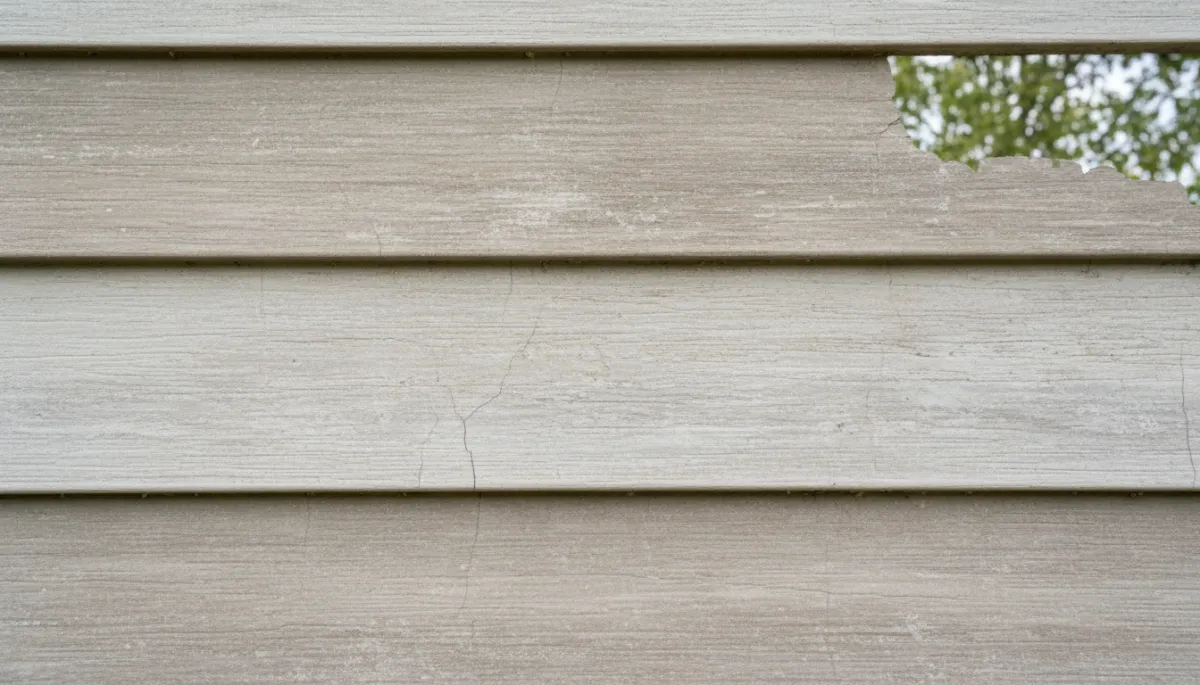
Weathered, warped siding is an early warning that moisture is getting in.
5. Rising Energy Bills and Drafty Rooms
Has your heating bill climbed even though you haven’t changed your thermostat? Old, loose, or damaged siding can’t block cold winter air or summer heat the way it used to. Gaps let drafts sneak in and allow warm, conditioned air to leak out. According to home improvement experts, rising energy costs are a common sign your exterior shell is failing. New siding, especially when installed with modern underlayments and insulation, can help tighten up your home and keep you more comfortable all year.
6. Constant Repainting for Wood Siding
If you have wood siding and feel like you’re repainting every few years, that’s a big red flag. Paint that peels, bubbles, or cracks quickly is usually trying to tell you something: moisture is getting in from behind, or the wood itself is breaking down. In our wet, snowy climate, wood that won’t hold paint is often past the point of simple repair. At that stage, replacing wood with low-maintenance vinyl or another modern material can save you a lot of time and money over the long run.
The Real Silent Killer: Water Behind Your Siding
All these signs point to one big problem: water intrusion. When snow melts from ice damming, or wind-driven rain from lake effect storms gets behind your siding, it doesn’t just “dry out.” It seeps into the wooden sheathing, rots it from the inside, ruins your insulation, and creates the perfect place for mold to grow. You might not see it right away, but you’ll feel it in musty smells, soft spots in walls, and even health issues. That’s why catching siding problems early is so important.
Why Western New York Homes Need Pro-Level Siding Help
Western New York is tough on homes—freeze-thaw cycles, heavy lake effect moisture, strong winds, and long winters all beat up your exterior. That’s why having an experienced local crew matters. Lewis Contracting LLC has been protecting homes here for 28 years, so we know how to spot hidden damage and choose siding that stands up to our climate and today’s design trends. Whether you want classic looks or a clean, modern color, we can guide you through the best options for your house and budget.
If you’re seeing any of these six signs, don’t wait for the next big storm to test your siding. Learn more about our siding replacement services, or book a free estimate and let our team take a closer look. A quick inspection today can save you from major repairs tomorrow—and give your home a fresh new look at the same time.
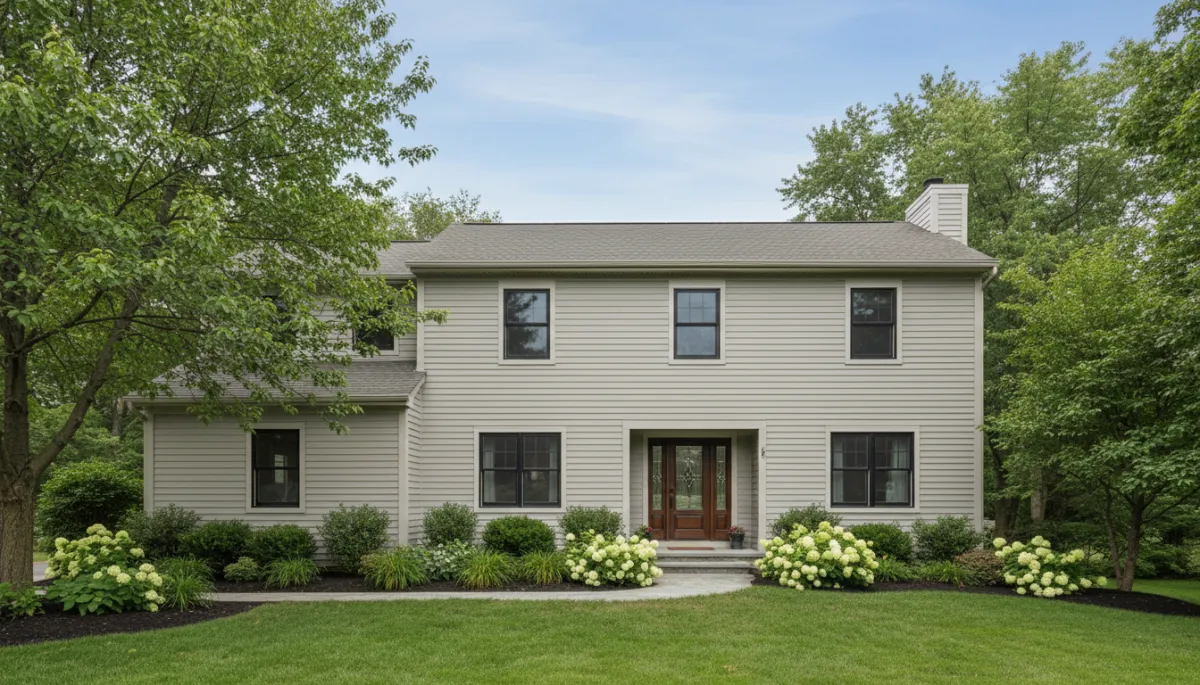
Fresh siding boosts curb appeal and protects your home for years ahead.

