When to Replace Siding in Western New York
Siding Replacement, Jamestown NY Contractor, Western New York Weather
How to Know When It's Time to Replace Your Home's Siding in Western New York
In Western New York, siding rarely fails overnight. Instead, our lake-effect snow, driving rain, and freeze–thaw cycles slowly wear it down until small issues become big problems. The top signs it is time to consider siding replacement include: visible warping or buckling, soft or rotted areas, peeling or bubbling paint, chronic moisture problems inside, noticeable fading or chalking, rising energy bills, and siding that is simply past its expected lifespan. If you are seeing more than one of these around your Jamestown-area home, it is worth talking with a trusted siding contractor in Jamestown, NY before another rough winter hits.
What does warping, buckling, or loose siding really tell you?
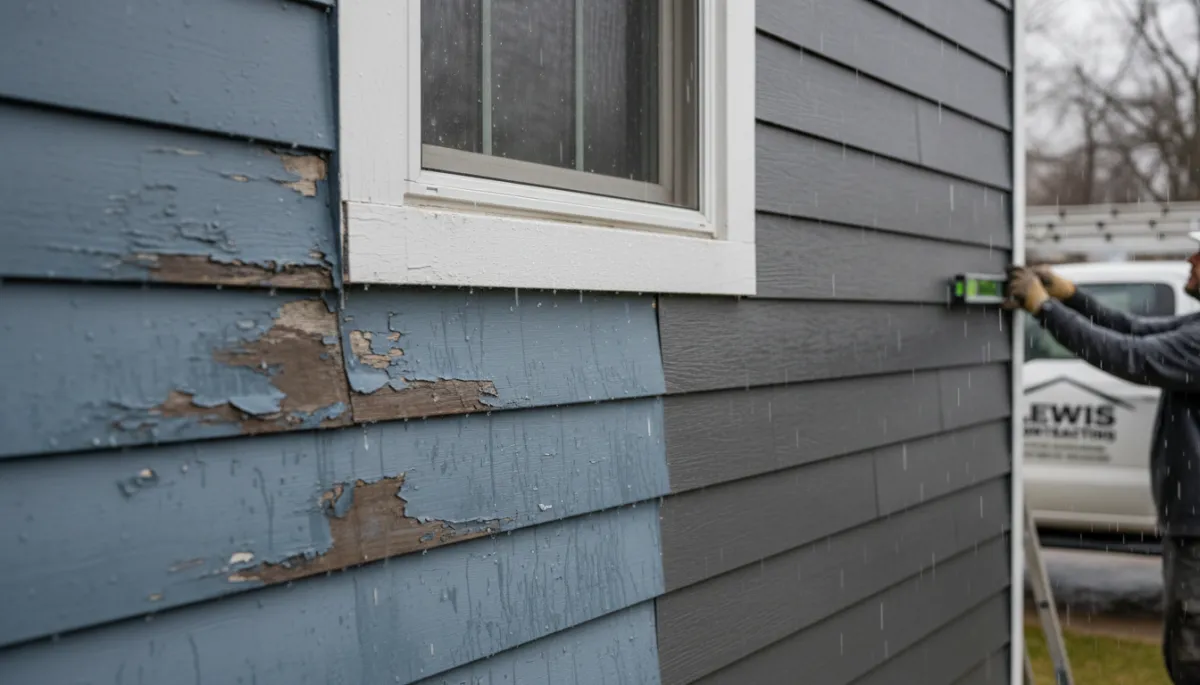
When siding starts to warp, bow, or pull away from the wall, it is usually a sign that moisture or temperature stress has been at work for a while. In Western New York, we see siding expand in summer heat and contract in subzero cold. Over time, this movement can loosen fasteners and create gaps where wind-driven rain and melting snow sneak behind your siding. If panels rattle in the wind, look wavy from the street, or have visible gaps at the seams, repair may only be a short-term fix. Replacement gives you a chance to correct any hidden damage and tighten up the exterior before the next storm season.
How can you spot moisture damage and early rot before it spreads?
Moisture damage is one of the biggest siding issues in our region. With heavy snow sitting against lower walls and spring thaws soaking everything at once, water has plenty of chances to find weak spots. Walk around your home and press gently on suspect boards or panels. Soft spots, crumbling edges, or areas that feel spongy are red flags. Inside, look for peeling paint, bubbling drywall, or musty odors along exterior walls. These can indicate that water is getting past the siding and into the sheathing or insulation. Once rot sets in, replacing the siding and repairing the underlying structure is usually the most practical long-term solution.
Is fading, chalking, or peeling just cosmetic, or a bigger warning sign?
Western New York may not get Southern sunshine, but we do get strong UV exposure bouncing off snow and ice. Over time, that can cause siding colors to fade unevenly, especially on south- and west-facing walls. If you rub your hand across the siding and get a chalky residue, the finish is breaking down. On painted wood or older fiber products, peeling or flaking paint lets more moisture in. While some fading is cosmetic, severe color loss, chalking, or constant repainting often means the material itself is aging out. Newer siding products offer better color retention and require far less maintenance, which is a relief when you are already shoveling and salting half the year.
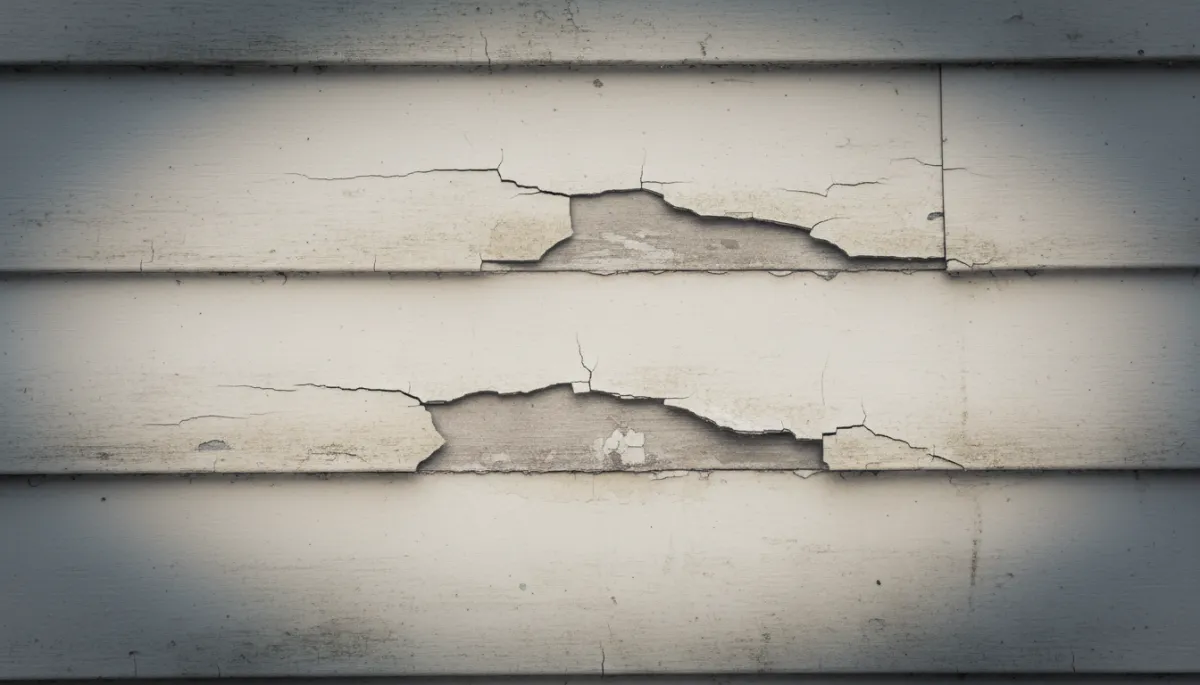
Long winters and freeze–thaw cycles leave visible stress on aging siding.
Could your siding be behind rising energy bills and drafty rooms?
When the furnace is working overtime and certain rooms still feel chilly, your siding may be part of the problem. Cracked panels, gaps around windows, and poorly insulated exterior walls allow winter air to seep in and warm air to escape. In the summer, the reverse happens as your air conditioning fights heat gain. Many homeowners in Jamestown and the surrounding towns notice steady increases in utility costs without obvious equipment issues. Modern siding systems, especially when combined with house wrap and insulated panels, can significantly improve energy efficiency. Over several Western New York winters, that efficiency can help offset the cost of a full siding replacement.
When is siding simply too old to keep patching?
Every siding material has a realistic lifespan, and harsh climates shorten it. If your siding is original to a decades-old home, or you have been patching sections year after year, it may be time to look at the big picture. Frequent repairs, mismatched replacement panels, and recurring problems around the same areas all point toward aging siding that is no longer protecting your home the way it should. A full replacement lets you address underlying issues, update the style, and choose products better suited to Western New York weather. It can also boost curb appeal if you are thinking about selling in the next few years.
How does Western New York weather accelerate siding wear?
Our local climate is hard on building exteriors. Lake-effect snow piles up against lower walls, trapping moisture where siding meets the foundation. Freeze–thaw cycles push water into tiny cracks, then expand as ice, widening those gaps season after season. Wind off Chautauqua Lake can drive rain sideways, forcing water behind loose joints and around trim. Add in humid summers, the occasional hailstorm, and wide temperature swings, and you have a recipe for accelerated wear. Choosing durable materials and proper installation matters here more than in milder regions, which is why many homeowners turn to local teams that understand how Jamestown homes actually perform through January and February, not just in mild spring weather.
A contractor familiar with our snow loads, ice dams, and wind patterns can recommend siding profiles, trims, and underlayments that shed water effectively and stand up to storms. At Lewis Contracting, our exterior renovation services are built around what we see on real Western New York homes year after year, not just what looks good in a brochure.
Which Western New York areas does Lewis Contracting serve?
Based in Jamestown, Lewis Contracting works with homeowners across Chautauqua County and nearby communities who are dealing with aging or damaged siding. Whether you are in Jamestown, Lakewood, Falconer, or one of the surrounding rural areas, our team understands the specific challenges of maintaining a home in this climate. When you choose a local Western New York contractor, you are working with people who drive the same icy roads, clear the same heavy snow, and know firsthand how quickly small exterior issues can grow when the weather turns.
Frequently asked questions about siding replacement in Western New York
How long should siding last in our climate?
In milder regions, siding might reach the upper end of its advertised lifespan. Here, constant moisture and temperature swings usually shorten that window. Many vinyl and fiber cement products last 20–30 years with proper installation and maintenance, while older wood siding may need major attention sooner. Regular inspections help you catch problems before they cut that lifespan even further.
Can I replace just the worst sections of siding?
Spot repairs are possible, especially after isolated damage from a fallen branch or minor impact. However, if multiple walls show warping, fading, or moisture issues, piecemeal fixes can become a revolving door of service calls. A full replacement may cost more up front but often saves money and stress over the next several winters, while giving your home a consistent, updated look.
When is the best time of year to replace siding in Western New York?
Spring through early fall is ideal, when temperatures are moderate and snow is not in the forecast. That said, experienced crews can work safely in a wide range of conditions as long as materials can be installed correctly. If your siding is failing and you are worried about another winter, it is better to have a conversation now than wait another season.
Ready to talk about your home's siding?
If you are seeing warping, fading, moisture problems, or rising energy bills, your siding may be telling you it is time for a change. Lewis Contracting helps Western New York homeowners evaluate their options, choose durable materials, and plan projects around our unpredictable weather. To get started, simply contact us for a free siding estimate and find out what it will take to protect and refresh your home for the seasons ahead.

