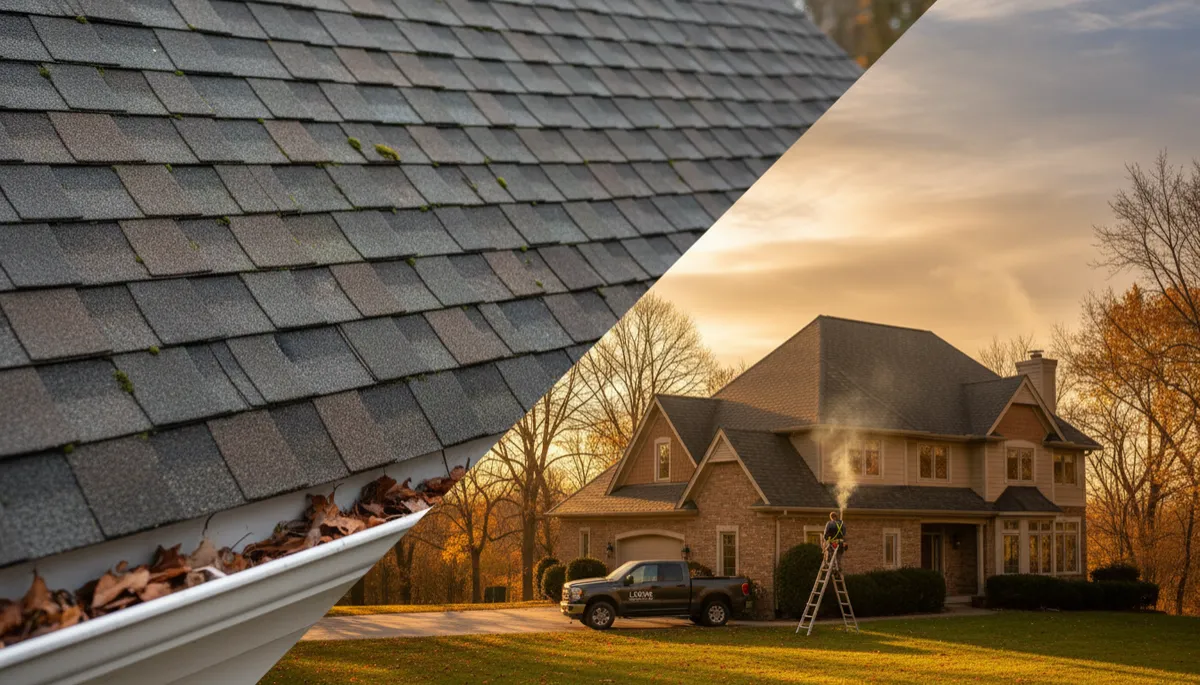
Roof Inspection Frequency in Western NY
Home Improvement, Roof Inspections, Western New York
How Often Should You Have Your Roof Inspected in Western NY?
If you own a home in Jamestown, Frewsburg, or anywhere in Chautauqua County, your roof takes a beating. Around here, most homeowners should plan on a professional roof inspection once a year, plus an extra check after major storm events. That simple habit can be the difference between a small repair and a big, messy leak in your living room.
How often should homeowners have their roof inspected?
At a minimum, you should have your roof inspected once a year, plus any time your home gets hit by heavy snow, strong wind storms, or hail. In Western New York, that “plus” part really matters. Our weather is rough on roofs, and problems can grow fast if no one is checking for damage. An annual inspection is your baseline. Storm inspections are your safety net when the weather goes wild.
For homeowners in Jamestown, Frewsburg, and the rest of Chautauqua County, a good rhythm looks like this:
One full professional roof inspection every year (no skipping “just this once”).
A follow-up inspection after any serious windstorm, hailstorm, or heavy, wet snow that piles up on the roof.
Quick visual checkups by you as the homeowner a few times a year from the ground or a safe spot.
Think of inspections like oil changes for your car. You don’t wait until the engine seizes up. You keep a schedule, and you stay ahead of trouble. Your roof works the same way, especially in our climate.
Why do Western New York roofs need more frequent inspections?
Western New York roofs need more attention because our weather is tougher than in milder climates. Lake Erie feeds us snow, wind, and constant freeze-thaw cycles that punish shingles, flashing, and gutters. A roof that might last decades with gentle weather will age faster here if no one is keeping an eye on it.
Here are the big local troublemakers:
Lake-effect snow loads: Snow can stack up fast on Jamestown and Frewsburg roofs. That weight can stress the structure, loosen shingles, and push water where it doesn’t belong. When snow melts and refreezes, it can creep under shingles and cause leaks you won’t see until stains show up inside.
Ice dam damage: Ice dams form when heat escapes through the roof, melts snow, and that water refreezes near the eaves. Water then backs up under shingles instead of running into the gutters. Over time, this can rot the roof deck, ruin insulation, and stain ceilings and walls.
Freeze-thaw cycles: We bounce above and below freezing a lot. Tiny cracks in shingles, flashing, and masonry can widen as water seeps in, freezes, and expands. What starts as a small gap can turn into a real leak by spring.
High winds off the lake: Gusty storms can lift shingles, loosen nails, and bend flashing. Sometimes the damage is obvious; other times it’s a corner lifted just enough for water to slide in. You may not notice from the ground, but a pro will.
In softer climates, people might get away with inspections every few years. In Chautauqua County, that gap is asking for trouble. The weather simply does more wear and tear here, so catching small issues early is key.
What does a professional roof inspection include?
A professional roof inspection is a top-to-bottom check of everything that helps keep water out of your home. It’s more than just “looks good” or “looks bad.” A trained roofer knows where problems like to hide and how small signs today can turn into big leaks next season. When a company like Lewis Contracting comes out, they’re looking at several key areas, inside and out.
What do pros look for on the roof surface?
First, a pro checks the main roofing material itself. For most homes in Jamestown and Frewsburg, that means asphalt shingles, but the same idea applies to metal or other materials. They’ll look for:
Missing, cracked, or curling shingles that can let water in or catch the wind.
Bald spots where the shingle granules have worn away, which speeds up aging and makes leaks more likely.
Soft spots or spongy areas that may mean the wood deck under the shingles is starting to rot.
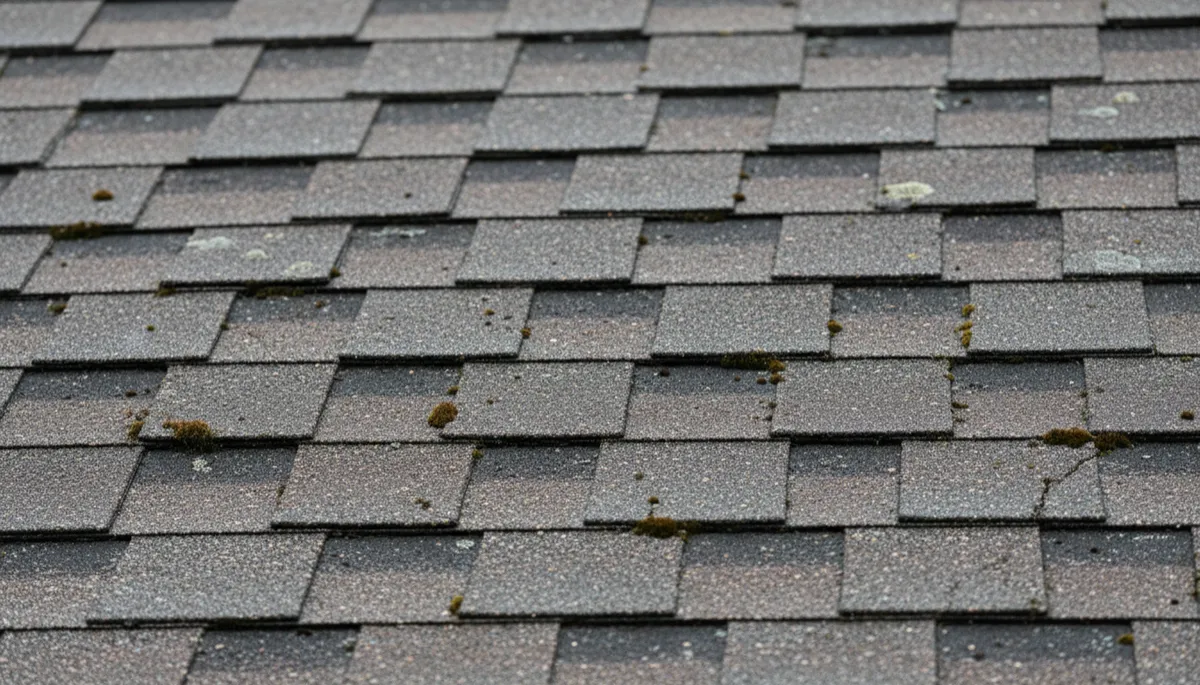
Early shingle wear like curling and granule loss is easier and cheaper to fix.
What about flashing, chimneys, and roof penetrations?
Next, the inspector checks all the places where the roof meets something else. These are common leak points, especially with ice and wind:
Flashing around penetrations: Metal flashing around vents, skylights, plumbing pipes, and where different roof sections meet. The pro looks for gaps, rust, cracked sealant, or loose pieces.
Chimney condition: Brick chimneys and their caps can crack with freeze-thaw cycles. The inspector checks the mortar joints, crown, and flashing around the base for gaps where water can sneak in.
How do gutters, downspouts, and ventilation fit into an inspection?
A healthy roof isn’t just shingles. Water has to move off the roof and away from the house, and your attic has to breathe. During a professional inspection, a roofer will also check:
Gutters and downspouts: Are they clear of leaves and ice? Are they pitched right so water flows, not pools? Are there signs of overflow that could lead to ice dams or water backing up under the eaves?
Attic ventilation: They’ll look at intake vents (usually at the soffits) and exhaust vents (ridge or roof vents). Poor airflow can trap heat and moisture, which leads to ice dams in winter and shingle damage in summer.
Do pros check for water intrusion and structural sagging?
Yes. A good inspection doesn’t stop at the surface. The roofer will also look for signs of water getting inside and any hint that the roof structure is under stress:
Stains on the underside of the roof deck in the attic, damp insulation, or moldy smells that suggest slow leaks.
Sagging areas when you look across the roof line from the yard, which can mean heavy snow or long-term leaks have weakened the structure.
With nearly 28 years of experience on Western New York roofs, Lewis Contracting knows exactly how our local weather tends to damage each of these areas, and they build that knowledge into every inspection report and repair plan.
What’s the difference between a homeowner walk-around and a professional inspection?
A homeowner walk-around is a quick visual check from safe spots. A professional inspection is a detailed, trained evaluation of your whole roofing system. Both are useful, but they are not the same thing and shouldn’t replace each other.
What can you safely check as a homeowner?
You can and should do simple checks a few times a year, especially after storms. From the ground, a pair of binoculars, or a low, safe step stool, you can look for:
Missing or obviously damaged shingles you can see from the yard.
Branches, leaves, or other debris sitting on the roof or clogging gutters.
Gutters overflowing in rain or sagging away from the house.
Water stains on ceilings or walls inside, especially after a storm or a big thaw.
💡 Pro Tip: Never walk on a steep or icy roof. It’s not worth the risk. If you’re unsure, call a pro instead of climbing up.
What extra things does a professional inspection catch?
A roofing professional brings training, experience, and the right tools. They know how to spot:
Early shingle wear that doesn’t stand out yet from the ground but shows aging up close.
Tiny gaps in flashing, nail pops, and loose fasteners that can turn into leaks with one more freeze-thaw cycle.
Ventilation and insulation problems in the attic that lead to ice dams and moisture buildup.
A homeowner walk-around is like checking your tire pressure yourself. A professional inspection is like taking the car to a trusted mechanic for a full safety check. Both have value, but only the pro visit gives you the whole picture and a clear plan if something needs fixing.
When is the best time to schedule roof inspections in Western NY?
The best times for routine roof inspections here are late fall and mid-spring. Late fall lets you prepare your roof for winter. Mid-spring lets you find and fix any damage winter left behind. You can still schedule at other times, but these seasons give you the most benefit for Western New York weather.
Why is late fall a smart time for an inspection?
Late fall, before the heavy snow and deep cold hit, is perfect for catching problems while they are still easy to fix. A roofer can:
Replace loose or missing shingles so snow and ice don’t get under them all winter.
Clear and adjust gutters and downspouts so melting snow has somewhere to go.
Check attic ventilation and insulation to help cut down on ice dams before they form.
Why is mid-spring just as important?
By mid-spring, the snow is mostly gone, and the roof is easier and safer to inspect. This is when you find out what winter did to your home. A spring inspection can reveal:
Shingles cracked or broken under heavy snow loads or ice movement.
Flashing and sealant that split during freeze-thaw cycles and now let water in during spring rains.
New stains or damp spots in the attic from slow winter leaks you might not have noticed yet.
If a big storm hits outside of these seasons, it’s worth calling for an extra inspection. A strong wind event in January or a hailstorm in June can do more damage in one day than normal weather does all year.
How does roof age change how often you should inspect?
The older your roof is, the more often it should be inspected. Materials dry out, seals weaken, and years of Western New York weather add up. A newer roof is more forgiving, but it still needs regular checks to stay in good shape and keep its warranty valid.
How often should newer roofs be inspected?
If your roof is less than 10 years old and was installed correctly, a professional inspection about every two years is usually enough, plus checks after major storms. That schedule helps you:
Catch installation issues that show up in the first few winters, like poor flashing or ventilation problems.
Keep any manufacturer or workmanship warranties in good standing by showing you’ve done your part on maintenance.
What about roofs that are 10 years old or more?
Once your roof hits the 10-year mark, yearly inspections are the smart move, especially in Jamestown, Frewsburg, and the surrounding towns. At that age, shingles start to stiffen, granules come off faster, and small issues can grow quickly. An annual check helps you:
Plan ahead for bigger repairs or a full replacement instead of being surprised by an emergency leak in February.
Stretch the useful life of the roof by fixing small problems before they ruin larger areas.
If your roof is 15–20 years old or older, yearly inspections are non-negotiable, and you may even want a quick check after every really rough winter. At that stage, having a local team with decades of experience, like Lewis Contracting, can help you decide when to repair and when it’s time to replace.
How can Lewis Contracting help protect your Western NY roof?
With nearly 28 years of roofing experience in Western New York, Lewis Contracting has seen just about every kind of roof damage our weather can throw at a home. They know how lake-effect snow piles up on Jamestown roofs, how ice dams form along Frewsburg eaves, and how spring winds tear at shingles across Chautauqua County. That local knowledge is built into every roof inspection they do.
When you schedule an inspection, you’re not just getting a quick look. You’re getting a full check of shingles, flashing, chimneys, gutters, downspouts, attic ventilation, water intrusion signs, and any hint of structural sagging. You’ll know what’s solid, what needs a simple fix, and what might need a bigger plan down the road.
📌 Key Takeaway: In Western New York, plan on at least one professional roof inspection every year, add extra checks after major storms, and switch to annual inspections once your roof turns 10. That routine is one of the easiest ways to avoid surprise leaks and costly repairs.
If you’re in Jamestown, Frewsburg, or anywhere in Chautauqua County and you’re not sure when your roof was last checked, now is a good time to start fresh. You can request a free estimate and get a clear, simple picture of how your roof is doing today—and what it needs to keep protecting your home for the long haul.

